
CPI Wednesday: Food and Energy Prices To Move Higher

Price increases as measured by CPI should further abate for the month of July. However - two major categories will likely trend higher and make it difficult for Fed Chair Powell to spin dovish when July CPI numbers are released Wednesday morning - Food and Oil.
“Food at Home” and “Food Away from Home” will trend higher for the month of July if what I see around the Northeast is any indication of the United States as a whole. Further, “Oil” - a commodity that is pervasive across our day-to-day lives - trended higher for much of July. Many consumers feel as though they have less discretionary capital given that day-to-day expenses such as food and energy seem to move ever higher. Higher prices will eventually place the United States into a formal recession.
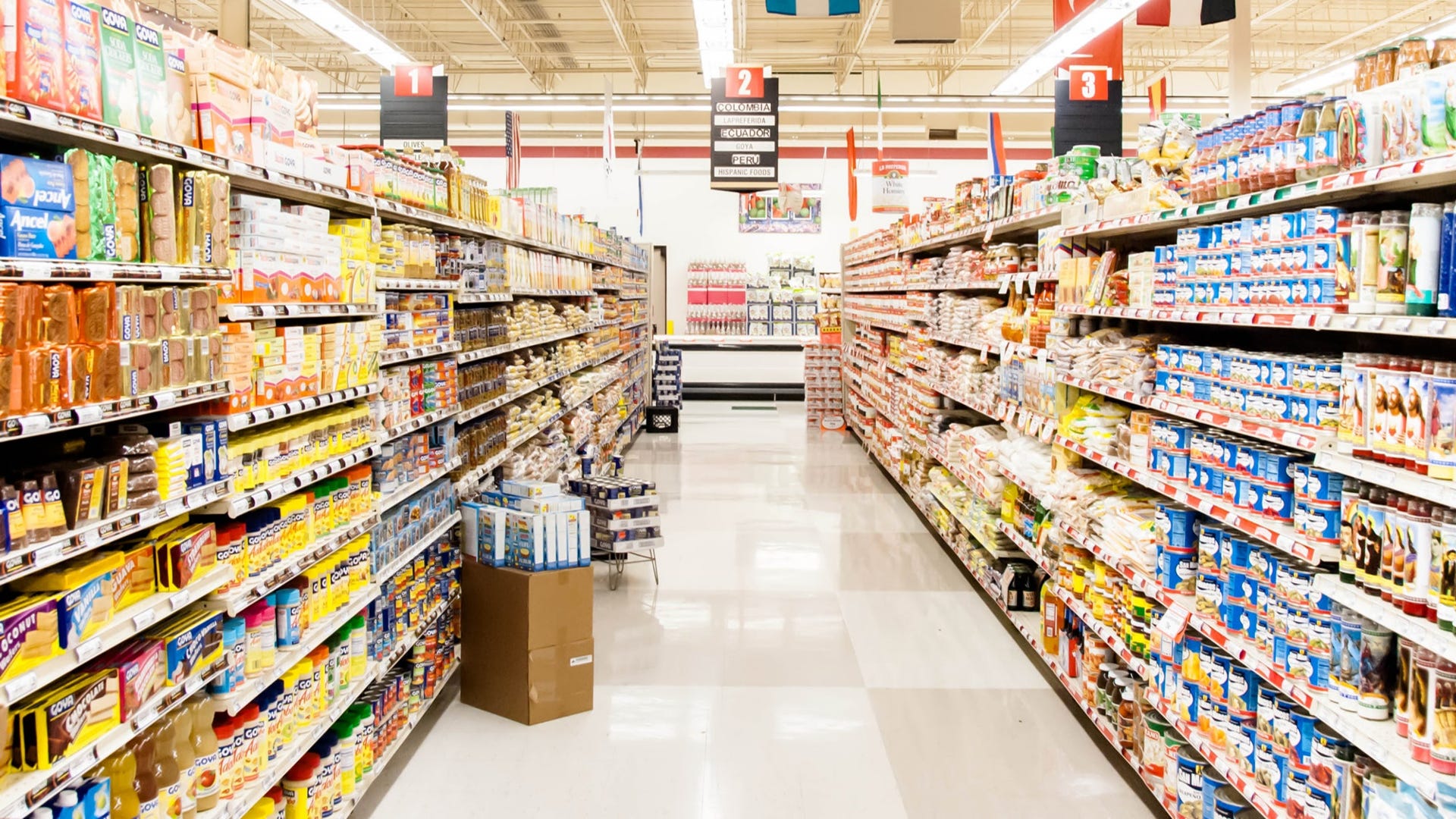
“Food at Home” (i.e. groceries): Food at home prices have been woefully understated by CPI this year as was the case in 2021, 2022 and 2023. I see this CPI category accelerating from the 0.1% sequential growth for the month of June to 0.2% or 0.3% for July (real-world price increases are much higher).
“Food Away from Home”: The economy will eventually hit a wall and this category will come crashing down as restaurants lose their ability to charge exorbitant prices for mediocre food and service. I expect the pace of sequential price increases to moderate from June’s 0.4% CPI number, although I do expect the number to grow sequentially.
Energy / Fuel Oil: I expect this category to move higher after declining -2.4% sequentially for the month of June. Oil prices were largely higher in July over June. This also would have been the case with derivative oil products.
The point being that when food and energy costs continue to march higher, people feel as though they have less discretionary capital, not more. This will put downward pressure on consumer demand. It will not matter to the consumer that price increases may have slowed (or turned negative), for other goods and services. When day-to-day consumer expenses march ever higher, that reality curtails demand, no matter how bullish the equity markets may be.
The Fed and the U.S. Treasury will re-inflate the debt-funded U.S. Economy later this year or early next.