How To Hurt The U.S. Economy: Part 1.) Tax Unrealized Gains

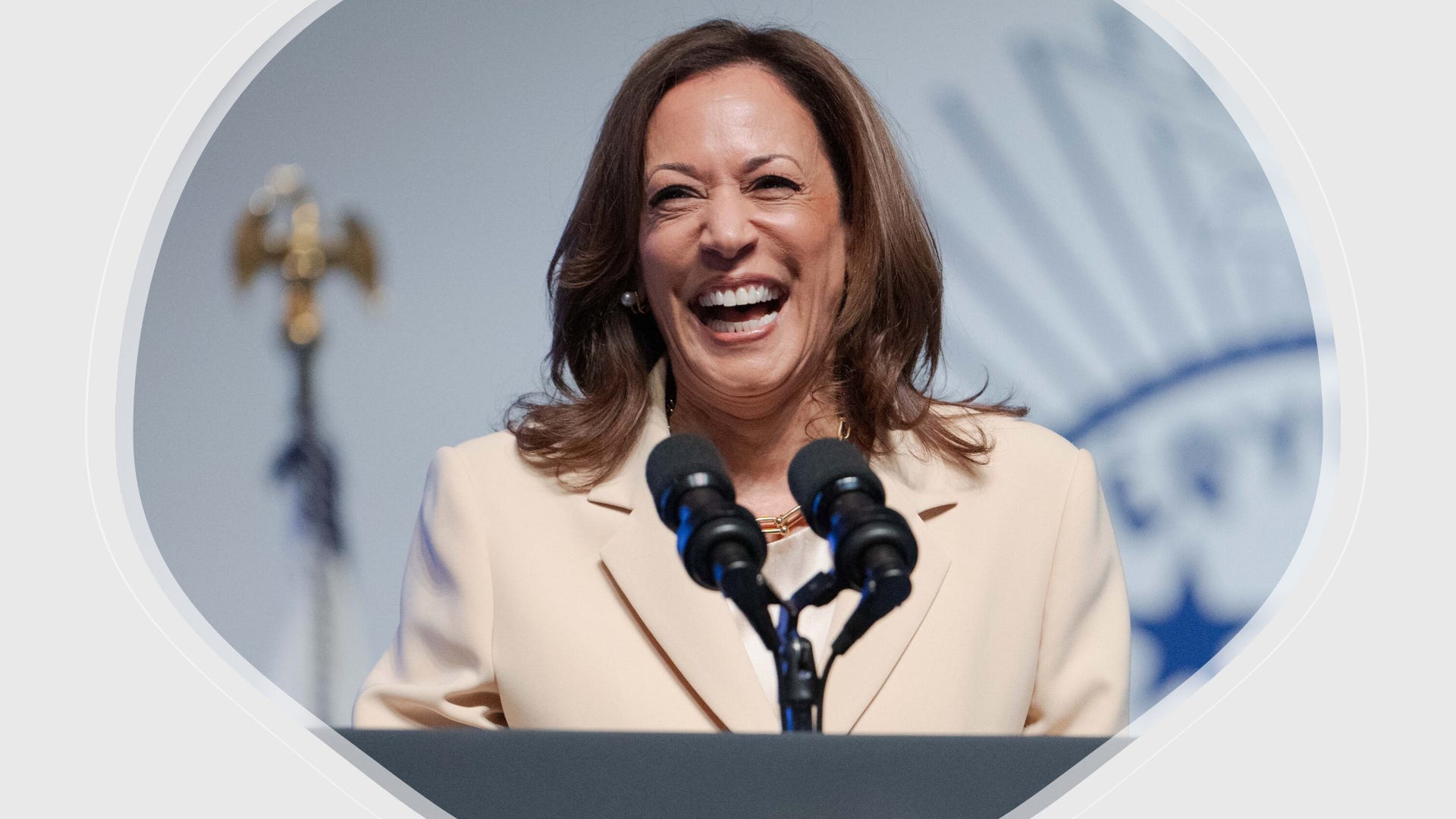
Taxing Unrealized Gains: There Is Less than a 25% Probability of an Unrealized Gains Tax Becoming Law.
First, V.P. Harris would need to win November’s General Election.
Second, Congress would need to cast a “Yes” vote for a policy that would hurt their personal investment portfolios - unless of course those who “serve” in the House and Senate were made exempt from this abomination of a tax.
Third, large corporate donors to the Democrat Party would suffer under such a tax policy - perhaps twice - at the corporate and individual levels.
Taxing Unrealized Gains Is Unfair and Would Hurt The U.S. Economy.
Unrealized gains are just that - they have yet to be realized. Therefore, why must one pay a tax on a “paper gain”? Paper gains are not actual gains. There is no profiting from a paper gain. Mandating a tax on a paper gain is not only unfair, such a tax will force asset sales in many cases to pay for the tax. This means potentially less gains for the investor and less tax revenue for the Federal Government.
All Capital Gains taxes are unfair in my view, as is the Income tax.
Why is it that the Federal Government profits from others’ capital at risk without putting its own skin in the game?
In many cases Unrealized Gains will have been generated with income that was already taxed. Thus, taxing Unrealized Gains would be a double tax in many cases.
A National Sales tax would be fairer (pay as you go), than any form of a Capital Gains tax or Income tax.
Taxing Unrealized Gains would slam the brakes on the U.S. Economy.
Such a tax policy would discourage investing. Less capital would flow into the markets (equities, fixed income, venture capital, private equity, private credit, artwork, etc). It is easy to imagine a 50% drop in the equity indices if such a tax were implemented.
Individuals would save less and spend more, which is a scary thought for a country that has a savings rate of less than 3%.
It is easy to imagine businesses spending more (taking on more debt for example) to shield against taxes and to imagine individuals taking more deductions to shield against taxes (Look to Europe for examples, especially the former). This behavior hurts productivity and ultimately results in less tax revenue to the Government. The answer to the Federal Government’s fiscal problems is simple - spend significantly less rather than tax Americans more.