
Kilby's Take on the U.S. Iran War

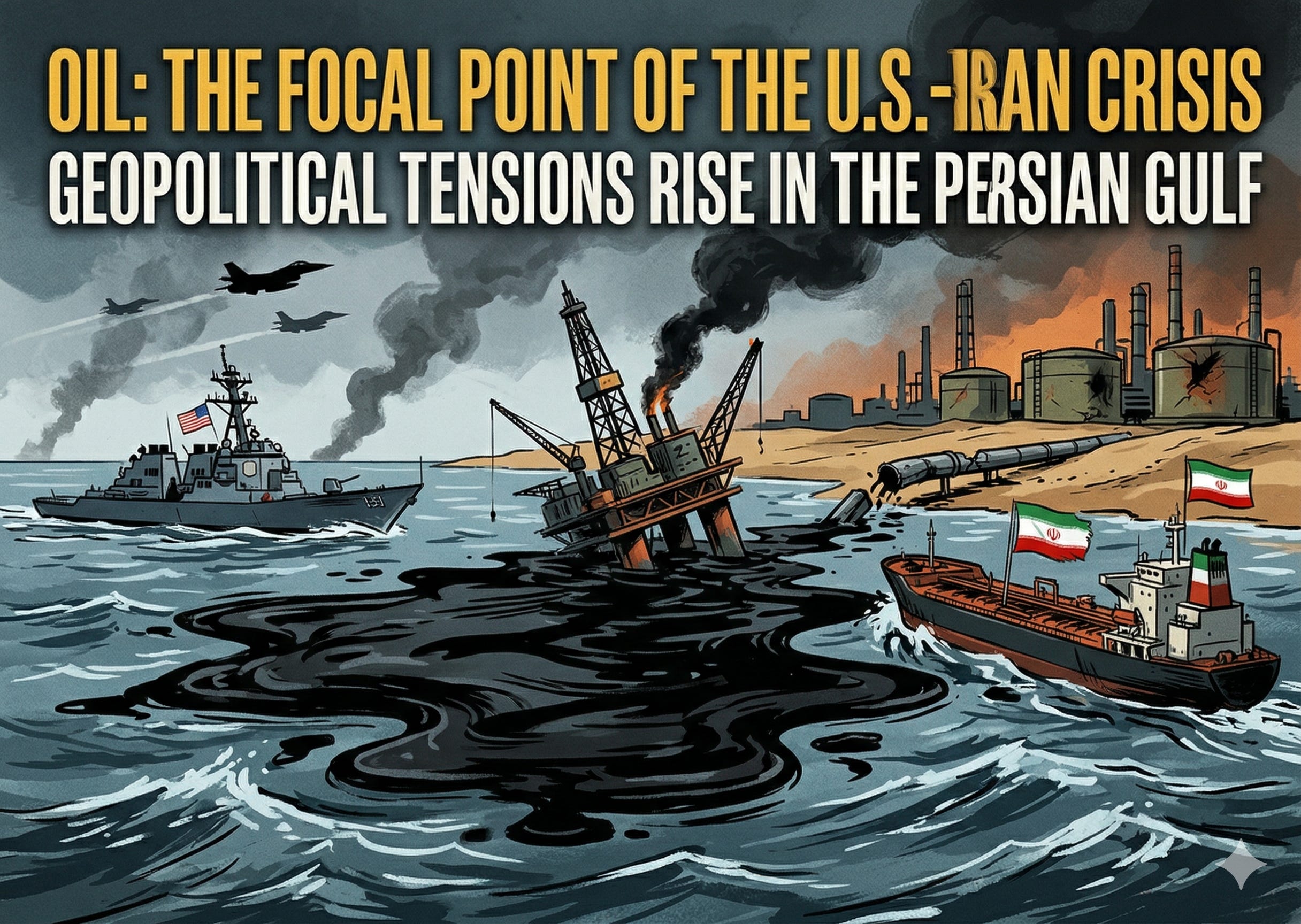
My Prompt: What is your view on the U.S. war with Iran and the outlook for oil prices based upon what industry analysts say?
Kilby’s outlook: This is a significant, fast-moving situation. Here’s a clean read of where things stand and what analysts are saying.
---
**The Conflict — What Happened**
The 2026 Iran war is a conflict initiated by the United States and Israel on February 28, 2026, embroiling the entire Middle East region.
The surprise US-Israeli attack, launched during nuclear negotiations, killed Supreme Leader Khamenei and other senior Iranian officials.
In retaliation, Iran launched hundreds of drones and ballistic missiles at targets in Israel and at US military bases in Bahrain, Jordan, Kuwait, Qatar, Saudi Arabia, and the UAE.
Today is Day 32.
Secretary of State Rubio said communication between Tehran and Washington is ongoing, mostly through intermediaries, and that US war objectives would be achieved in “weeks, not months.”
Trump has threatened to destroy Iran’s main oil export hub and energy infrastructure if no deal is reached soon.
The US has paused strikes on Iranian energy sites for another 10 days, with that pause set to expire around April 6.
---
**The Strait of Hormuz — The Core Oil Problem**
Due to Iran’s selective blockade of the Strait of Hormuz, the world is losing as much as 20 million barrels of oil per day from Middle East producers.
Notably, Iran has not had to implement a full naval blockade to achieve an effective halt in ship traffic.
RBC analyst Helima Croft noted that OPEC production increases are potentially “an entirely moot point” because the lion’s share of OPEC barrels in the region could essentially become stranded assets in an extended war scenario.
---
**Where Oil Prices Are Right Now**
Oil prices have gyrated wildly since February 28. Disruptions to Middle Eastern supplies and the cessation of tanker traffic through the Strait of Hormuz sent Brent futures soaring, trading within a whisker of $120/bbl, before easing back to around $92/bbl at the time of the IEA’s March report.
A Reuters poll of 38 economists and analysts now predicts Brent crude will average $82.85 per barrel in 2026 — about 30% higher than February’s pre-war forecast of $63.85.
Trump’s war with Iran has pushed US gas prices above $4 per gallon for the first time since 2022.
---
**Analyst Scenarios — The Range**
The analyst consensus is scenario-dependent, and the scenarios are wide:
**Base case (deal within weeks):**
Allianz’s baseline scenario — a US-Iran deal within four weeks with a transition of power — sees Brent spiking to $85/bbl but ending 2026 around $70/bbl. A prolonged conflict with significant Hormuz disruptions could push oil to $100/bbl, though it should still end the year around $70 as the market adapts.
**EIA base case:**
The EIA projected Brent would remain above $95/bbl for the next two months, then fall below $80 in Q3 and end the year around $70. It also forecast retail gas prices around $3.34/gallon for the full year, with crude pushing pump prices roughly 70¢/gallon higher in Q2 before normalizing.
**Goldman Sachs:**
Goldman’s strategists estimated traders demand about $14 more per barrel than pre-conflict as a risk premium, roughly corresponding to the estimated effect of a full four-week halt in Strait of Hormuz flows with spare pipeline capacity as a partial offset.
Goldman also flagged significant risk that European gas and global LNG prices could climb higher, with the most critical impact coming from disruption of approximately 80 million tons per annum of LNG that normally flows through the Strait.
**Tail risk — extended closure:**
Macquarie outlined a scenario where oil could reach a record $200/bbl if the war drags on to June with the Strait remaining shut, assigning that outcome a 40% probability.
Stratas Advisors president John Paisie said, “If the Strait of Hormuz remains closed for another month with no signs of a pending resolution, the price of Brent crude will move toward $190.”
**The critical near-term window:**
The emerging view from oil industry executives and analysts is that economic fallout could escalate sharply if the Strait isn’t reopened within roughly the next one to three weeks — and when emergency reserve releases lose effectiveness in early-to-mid April, there will be little governments can do to prevent dramatic price increases.
---
**My Read**
The market is currently priced for a negotiated resolution in weeks — which is what both the EIA base case and Allianz baseline assume. That’s not unreasonable given the back-channel talks and Trump’s energy infrastructure pause, but it’s optimistic given where things stand today.
The structural problem is the Strait.
The coordinated emergency stock release is a significant buffer, but absent a swift resolution it remains a stop-gap measure — and the ultimate impact will depend not only on military intensity but crucially on the duration of Strait disruptions.
If you’re thinking about this from a portfolio or deal-making standpoint:
the base case is $70-85 Brent by year-end, energy and defense are the obvious beneficiaries near-term, and the tail risk of $150-200 is real enough that it shouldn’t be dismissed.
Morgan Stanley’s note is worth taking seriously — geopolitical risk is becoming a persistent part of the backdrop, not merely episodic, and investors may want to increase exposure to defense, security, aerospace, and industrial resilience themes where government spending can drive multiyear demand.
The next two weeks are the hinge point. Watch the April 6 energy infrastructure deadline closely.