

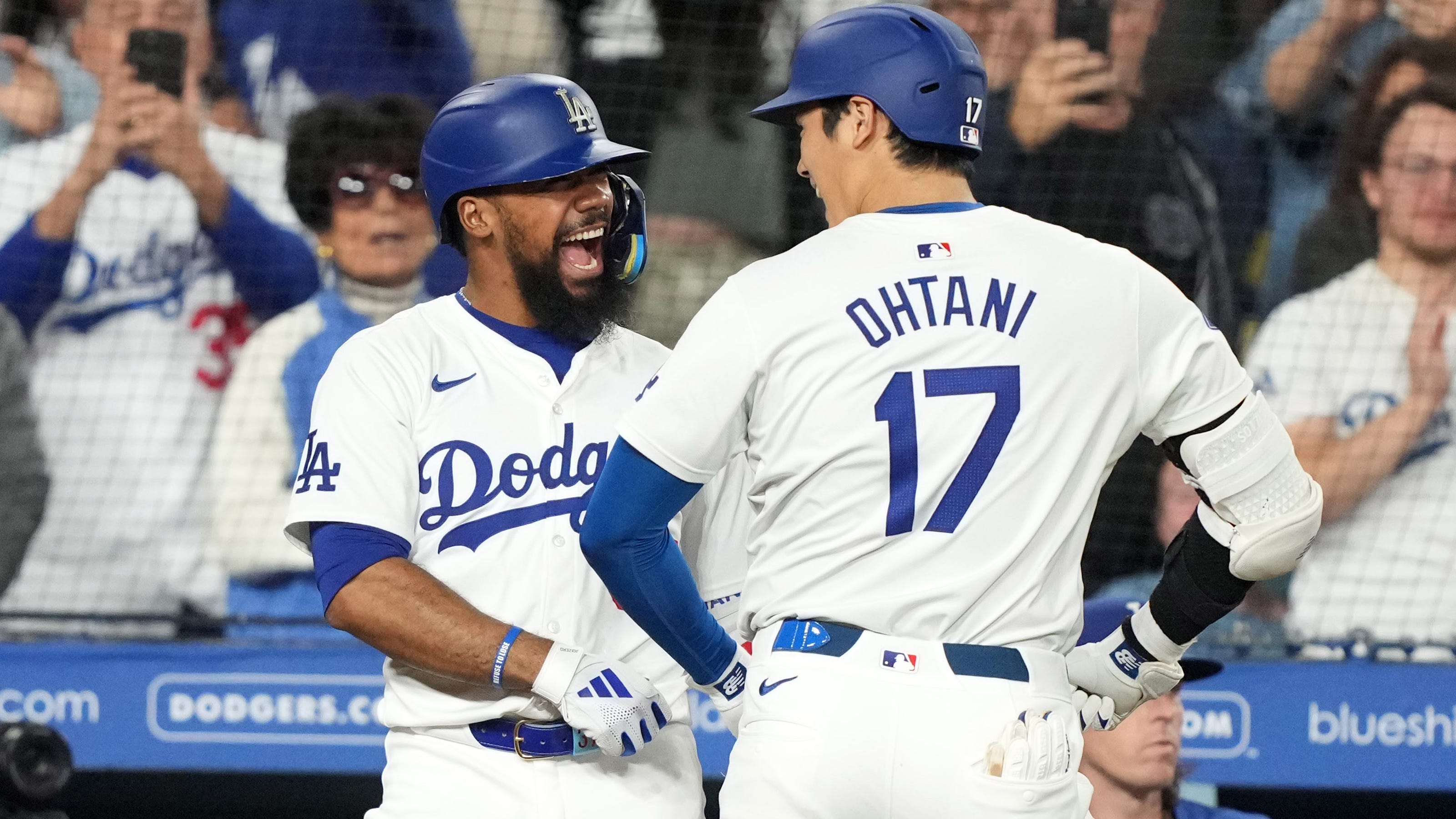
With linear TV going away, Major League Baseball is going to struggle. It is reported that ESPN wanted to cut the value of its MLB national broadcast deal in half. Perhaps a white knight such as Apple (AAPL), Amazon (AMZN) or Netflix (NFLX) will fill the void, as each works to grow its streaming subscriber base with the lure of live sports programming.
However, there is a natural conflict between large market teams and national broadcast deals - revenue sharing. If you are a large market team such as the LA Dodgers or NY Yankees with a large built-in audience, it is in your best interest to control your team’s media rights and keep 100% of the revenue. This contrasts with league-wide media deals that are based on revenue sharing whereby large market, high revenue generating teams share a portion of their revenues with smaller market teams, essentially helping to keep those smaller market teams competitive, “for the good of the league”. As a fan, I would rather watch fewer highly competitive teams go after it every game than have a league with a cohort of non-competitive teams that require subsidization.
The market ought to decide which teams thrive, survive, and die. If that means MLB is culled down to 15-18 teams, so be it. Sports teams do not have a God-given right to exist, much less be subsidized by financially thriving teams. I’ve never understood why large market team owners subscribe to the revenue sharing model. I do not buy the “revenue sharing is good for the league” argument. Revenue sharing did not work for the former Soviet Union, and it is not the optimal model for large market teams that have the ability to financially thrive on their own.
That said, MLB is a private enterprise and may operate however it so wishes, even if that operating model has far more in common with Karl Marx than Milton Friedman.