
Tariffs Are A Sales Tax. The Ride Will Be Bumpy.

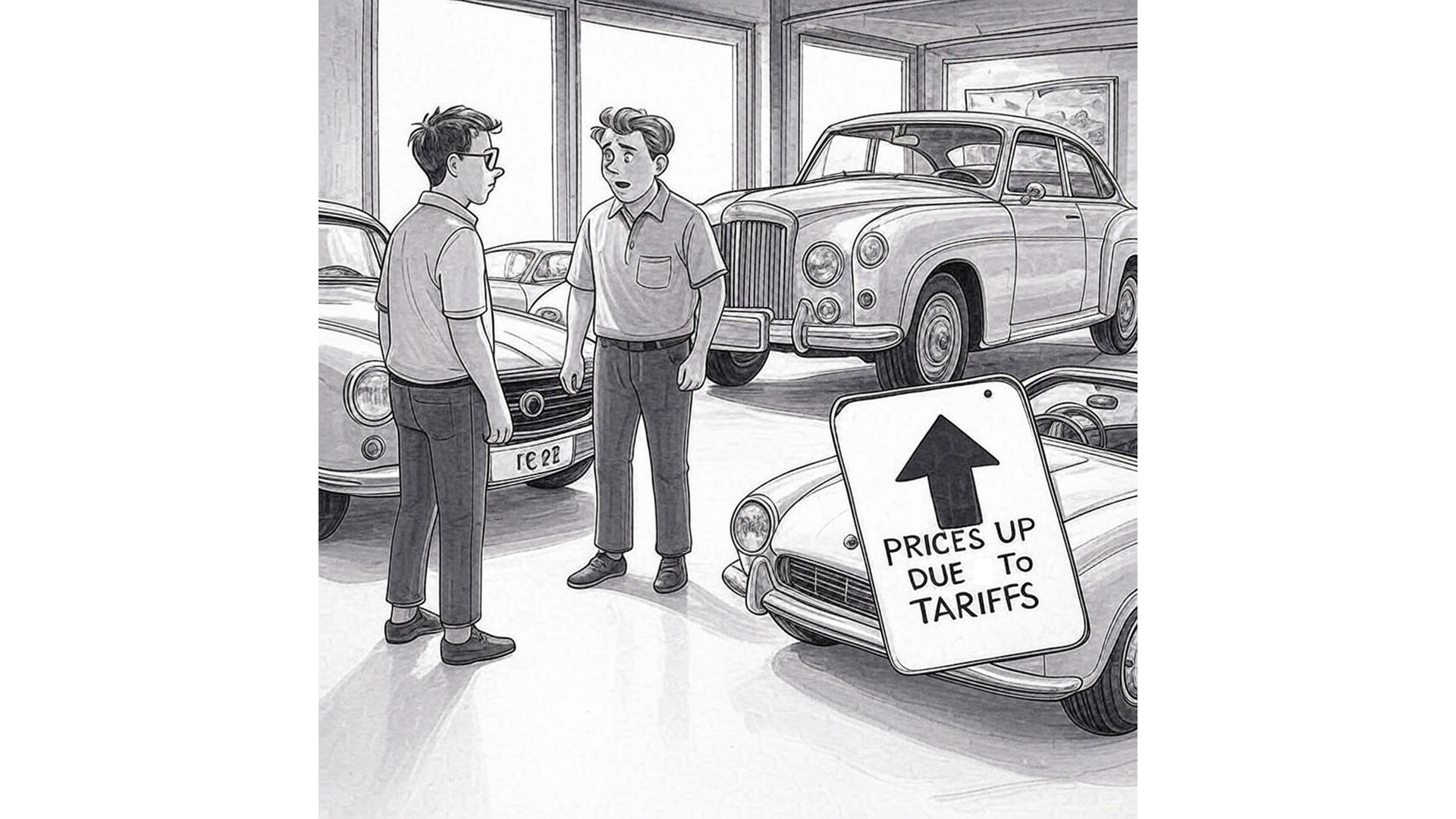
Tariffs are a sales tax. Foreign goods will be taxed at the point of entry. The distributor will exercise a markup at some level rather than eat the cost before selling the good to a wholesaler or retailer who will do the same, thereby driving prices higher for the ultimate purchaser.
If the U.S. was to eliminate Federal Income taxes - personal and corporate - and replace the income tax with a sales tax / tariff, I would be in favor of such policy. This type of tax policy would prevent the Federal Government from taking its cut off the top, as it would instead collect tax revenue as consumers and businesses spend money - a true “pay as you go” tax model. Such a model would be more beneficial to economic growth than the burdensome income tax model.
However, the Trump Administration is not repealing the income tax, rather, it is adding a new tax in the form of a 10% tariff.
Finally, there is the inflation tax which is largely a function of fiscal deficit spending and monetary policy that subsidizes deficit spending. The Continuing Resolution (CR), from last month maintains Biden-level deficit spending for the remainder of fiscal 2025. This essentially guarantees a $2.0 - 2.5 Trillion deficit for fiscal 2025 (year-ending Sept. 30th). Expect the purchasing power of the Dollar to further erode this year and next.
We have a name for economic environments characterized by high prices, high debt, deficit spending, devalued currency and low real economic growth: Stagflation.
Here is the piece we wrote about tariffs last month. The History of Tariffs in the United States.