
The Fed Is Reaping What It Sowed

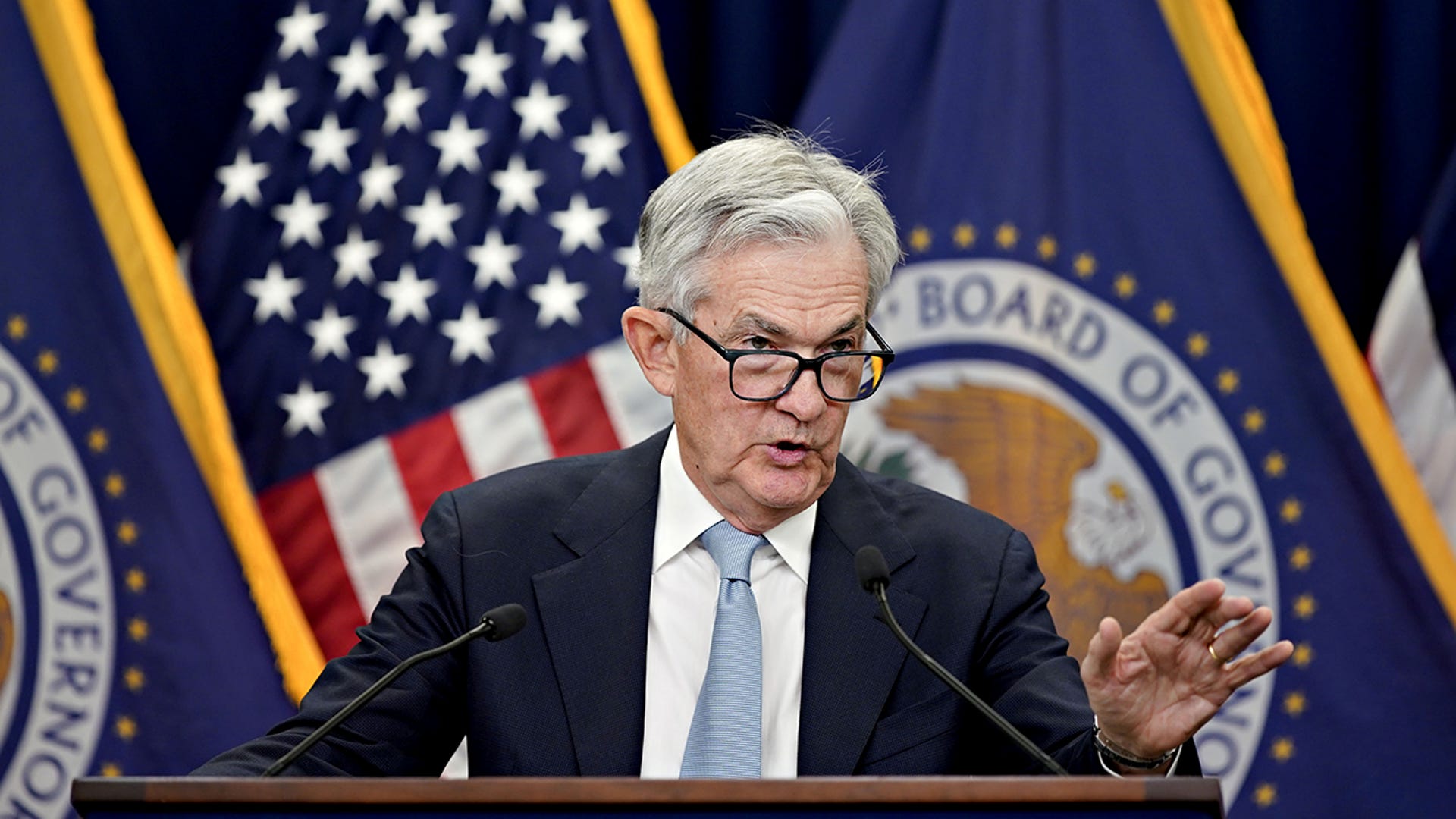
The Fed has reaped what it has sowed. Therefore, I do not sympathize with the Fed’s predicament.
The credit markets froze in April 2020. The appropriate thing for the Fed to have done would have been to expand the money supply (i.e. credit commercial bank reserves) so that banks felt comfortable enough to lend. Recall that the draconian Government-imposed lockdowns of the Trump Administration ended circa June 2020. One would think that by then Banks would have felt comfortable lending with millions of Americans out and about in the economy. Instead, the Fed saw fit to:
Take its Fed Funds rate to zero percent into Q2 2022;
Purchase $90 billion of Treasuries and $30 billion of Agency securities each month into Q2 2022;
Subsidize fiscal spending in the amount of trillions of Dollars;
Roll out special credit facilities that saw the Fed participate in Apple’s debt offering;
Purchase equity ETFs - which is in violation of the Fed’s charter.
In the aggregate, the Fed grew its balance sheet from $3.8 trillion in August 2019 to $9.0 trillion by May 2022. That’s a 137% increase. The money supply exploded and the Dollar was significantly devalued (the Dollar will not recover lost purchasing power) with asset bubbles forming seemingly everywhere and the price of real goods and services rocketing higher for three years and counting.
For the past year Powell has bungled communication with the equity and fixed income markets. Powell is similar to the CEO who keeps changing the operating metrics that his company shares with the street. Powell is similar to the CEO that keeps changing guidance and wonders why he has lost credibility with the street.
Personally, I do not believe that the Fed will cut rates until the bottom of the year unless we have strong stress signals from the Banking sector in March or April as the Fed allows the BTFP bailout to expire on March 11th. I believe there is a 100% chance that multiple banks will fail. I also know that unless the Fed lowers rates and reinflates the bond market, Bank of America and other banks will continue to carry $60-700 billion in unrealized losses (a result of the Fed’s zero interest rate policy and poor bank management).
I believe that short-term rates are negative because I believe that Fed Funds less real world price increases is a negative number (CPI is artificially low).
Further, I believe that at some point the fixed income market will no longer look at the 10-year Treasury yield as 1-2% point spread over short-term rates. Rather, I believe that thoughtful credit investors will look at a 10-year time horizon and think: “Will the United States be able to pay off its debt in 10 years? What is the probability of default? If default risk is low, how much money will the Fed be required to print to avoid default and what does that mean for Dollar devaluation? I wish to be compensated significantly more than a 3-5% yield on the 10-year.” The 10-year sits at 4.2% today.