
The Fed's CBDC and Blockchain

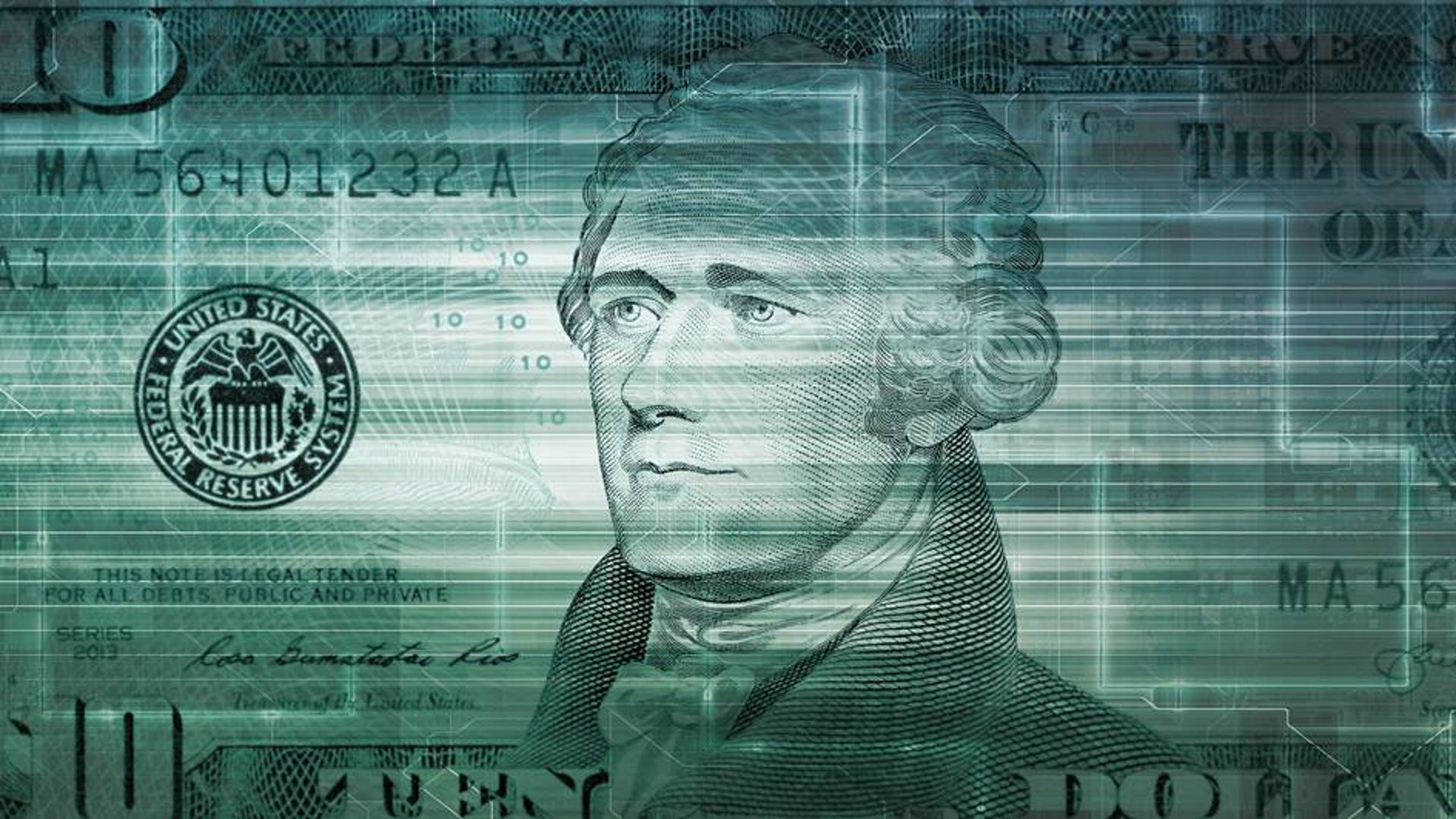
The word “Blockchain” is often associated with crypto currencies such as Bitcoin. However, blockchain networks or Distributed Ledger Technology (DLT) offer the potential for so much more than trading speculative digital currencies. DLT networks will be the infrastructure for tomorrow’s payment networks and related commerce.
Today, more than $1 billion of daily transaction volume flows through J.P. Morgan’s Coin DLT platform where firms such as Siemens and FedEx transact.
Broadridge executes more than $1 Trillion per month in repo transactions on its DLT platform (a number of financial institutions have executed repos for years on DLT networks).
Over time it will become more common to read about the deployment of smart contracts that leverage DLT for various use cases including home and auto titling.
What will be the catalyst to drive further usage of DLT networks? There are two primary drivers:
Cost. Capital prefers the path of least resistance, that is to say the path with the least cost and the least friction at the execution level. DLT networks achieve this by replacing legacy payment processes that often involve human intervention (adding friction and expense), with automated digital processes, thereby reducing the cost of operation.
The Fed. Yes, the Fed. The Fed will eventually roll out a Central Bank Digital Currency (CBDC). The Fed’s Boston office worked on Project Hamilton for several years (read the Fed’s CBDC white paper HERE). I believe the Fed wishes to have a direct, depository relationship with the public (we saw a bit of this in 2020 during the COVID mess). It does not matter that this will put the Fed in conflict with its member banks. The Fed is our “Central Bank” and central bankers prefer to have control. A CBDC will provide the Fed with visibility into the U.S. economy (and beyond) at the user level. User-level visibility means the ability to exercise control. Treasury and the Fed could force some level of user compliance by tying Federal Entitlement payments to forced usage of the Fed’s digital currency. Instant compliance.
The Fed’s rolling out its FedNow service last summer was the first step in laying the infrastructure for a Fed-issued digital currency. Once a CBDC arrives (I don’t see Americans offering much resistance), the private sector will build various proprietary DLT networks that piggyback off the Fed’s DLT infrastructure.
See TEK2day’s related Blockchain and DLT articles HERE, HERE, HERE and HERE.