
The Second Tier Media Companies Are Talking To Each Other

Tech giants Amazon (AMZN), Apple (AAPL) and Google (GOOGL) have disrupted an already volatile media space that is struggling to find profitability in a streaming-first world. Amazon acquired a studio (MGM and its Bond franchise), Apple spends large sums producing content and Google spends large sums acquiring licensing rights (the NFL). Heck, even Microsoft (MSFT) is a disruptor with its large acquisition of Activision.
The obvious thing for Warner Bros Discovery (WBD), Paramount Global (PARA) and Disney (DIS) to do is to talk with one another as well as with the Tech players in an effort to achieve scale such that streaming can become a profitable business. Streaming is a difficult business given the upfront production costs (cost of stars, set building, locations, marketing, etc.) while revenues are recognized over time.
The tier two streaming companies have licensed content produced in-house to third parties such as Amazon and Netflix (NFLX) in an effort to increase audience, revenue and profitability – essentially de-risking their business models.
However, consolidation has to happen among the second tier streaming players if they are ever to become sustainably profitable.
Paramount Global, the company that the late Sumner Redstone founded and that his daughter Shari controls, looks to be the next company to be acquired either by Warner Bros (the two have reportedly held talks) or private equity (Skydance is reportedly interested. Skydance is led by Oracle founder Larry Ellison’s son David.
My bet is that John Malone-controlled Warner Bros Discovery will win the day. Warner Bros Discovery CEO David Zaslav is keeping costs down, is paying down debt and plans to use WBD’s cash in part to acquire smaller players as both Zaslav and John Malone have stated publicly.
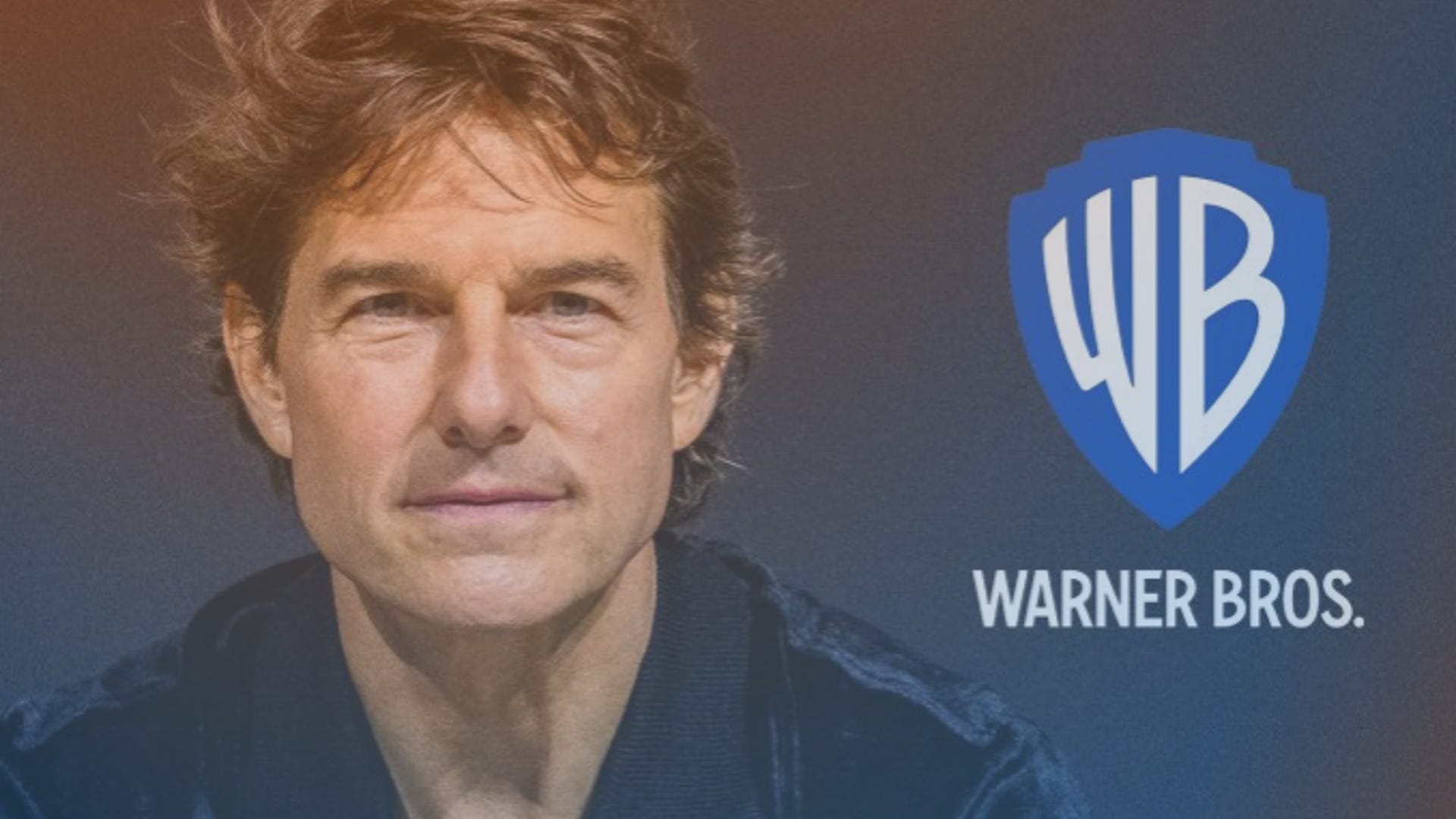
When Tom Cruise announced his production deal with WBD earlier this week it all but tells you that PARA is likely to be consumed by a larger fish.
It makes more sense for these streaming companies to be acquired by other streaming companies given streaming’s business model. I don’t see Private Equity as having the ability to make streaming businesses profitable unless they plan to halt all new production and simply market the existing content library. That’s not much of a business if you ask me and it will be reflected in the valuation when PE ultimately exits.